Oil Markets, Global Growth & What’s Ahead
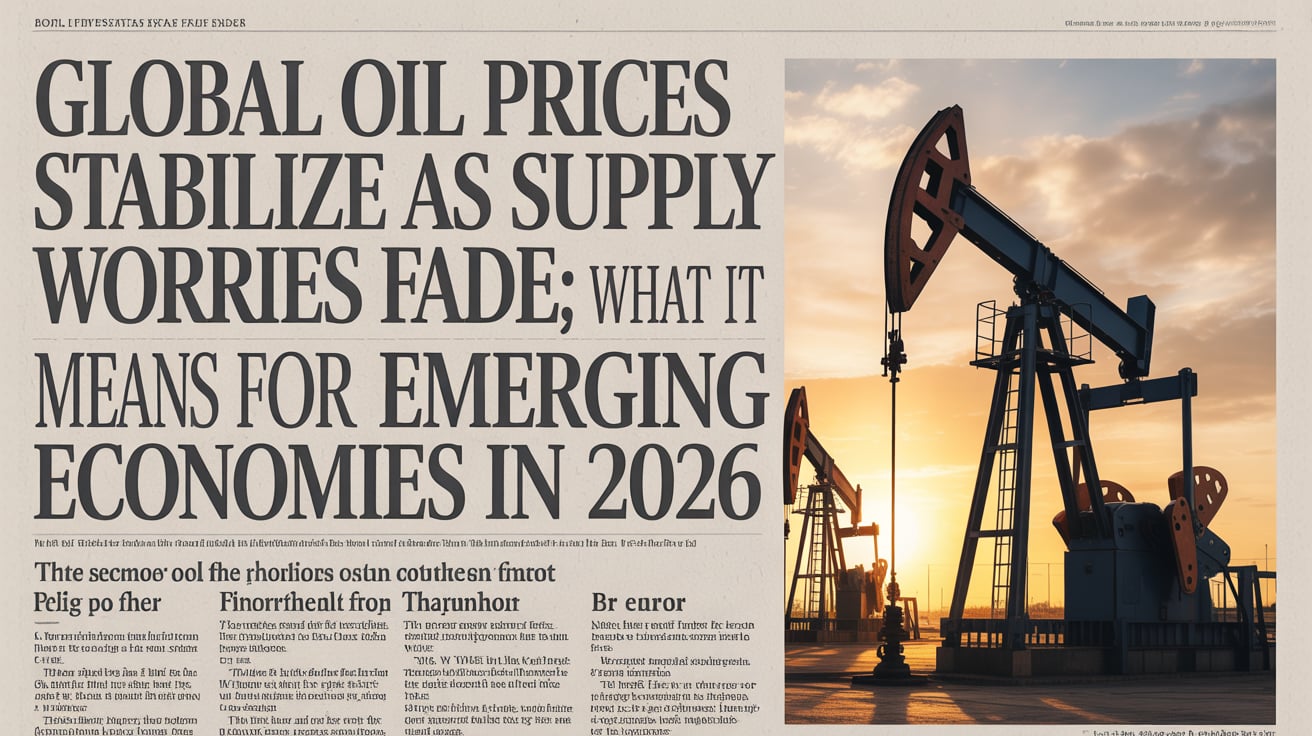
Global crude oil prices steadied on December 5, 2025, as markets digested recent volatility and expressions of adequate supply outweighed fears of supply disruption. Reuters+1
Brent crude traded around USD 63.18 per barrel, while U.S. WTI hovered near USD 59.53 per barrel, reflecting a relatively calm energy market amid easing geopolitical tensions and stable supply expectations. Reuters
📉 What’s Behind the Stabilization?
- Recent energy-market shocks, including regional disruptions and supply-side jitters — which had fueled spikes — have cooled off. As pipeline shipments resume and major producers maintain output levels, supply glut fears have overshadowed earlier alarms. The Economic Times+1
- Analysts highlight that modest output increases planned by major oil producers, along with easing demand pressures, are likely to keep crude prices in a lower-to-stable range over the near term. Business Standard+1
- Broader macroeconomic headwinds — global growth anxieties, shifting manufacturing cycles, and muted demand from some large economies — also weigh on oil demand expectations. World Bank+2Reuters+2
🌍 Implications for Global Economy & Emerging Markets
✅ Easing Inflation Pressure
Lower crude prices can ease import-driven inflation for energy-importing nations, especially emerging economies heavily reliant on oil imports. Cheaper fuel translates to lower transport and production costs, potentially curbing overall inflation and improving purchasing power.
✅ Relief for Households & Industry
Reduced energy costs benefit households directly — lower fuel prices, cheaper logistics, and overall cost-of-living relief. For industries, especially manufacturing and transport-heavy sectors, input costs may drop, possibly improving margins or reducing prices.
✅ Better Growth Prospects for Vulnerable Economies
Nations with trade deficits or heavy oil import bills could see improved balance-of-payments, fiscal stability, and scope for stimulus or public spending — helping economies recover or grow amid global uncertainty.
⚠️ But the Future Remains Uncertain — Demand, Policy & Structural Factors
- Some forecasts suggest global oil demand growth may slow after 2025, especially as energy transitions accelerate and alternative fuels / electric mobility gains ground. Reuters+1
- Structural energy-demand shifts, rising renewables adoption, and policy push toward green energy could cap long-term rebound in crude demand, affecting oil-exporting regions and countries relying heavily on fossil-fuel-dependent growth.
- Emerging markets might face internal challenges — currency volatility, inflation spillovers from other commodities, debt burdens — which can offset gains from cheaper oil. Global economic fragility, trade tensions, or geopolitical shocks can quickly reverse current calm.
🔭 What to Watch in 2026 — Key Trends & Risks
- Oil production and supply decisions by major producers — output cuts or increases will sway global prices.
- Global demand trajectory, especially from major consumer markets — a slowdown could keep prices depressed; a rebound might revive volatility.
- Energy transition policies — how quickly countries adopt renewables, EVs, and alternative energy sources will influence long-term oil demand.
- Macroeconomic stability in emerging economies — inflation controls, currency stability, and fiscal health will determine whether cheaper oil translates to overall economic benefit.