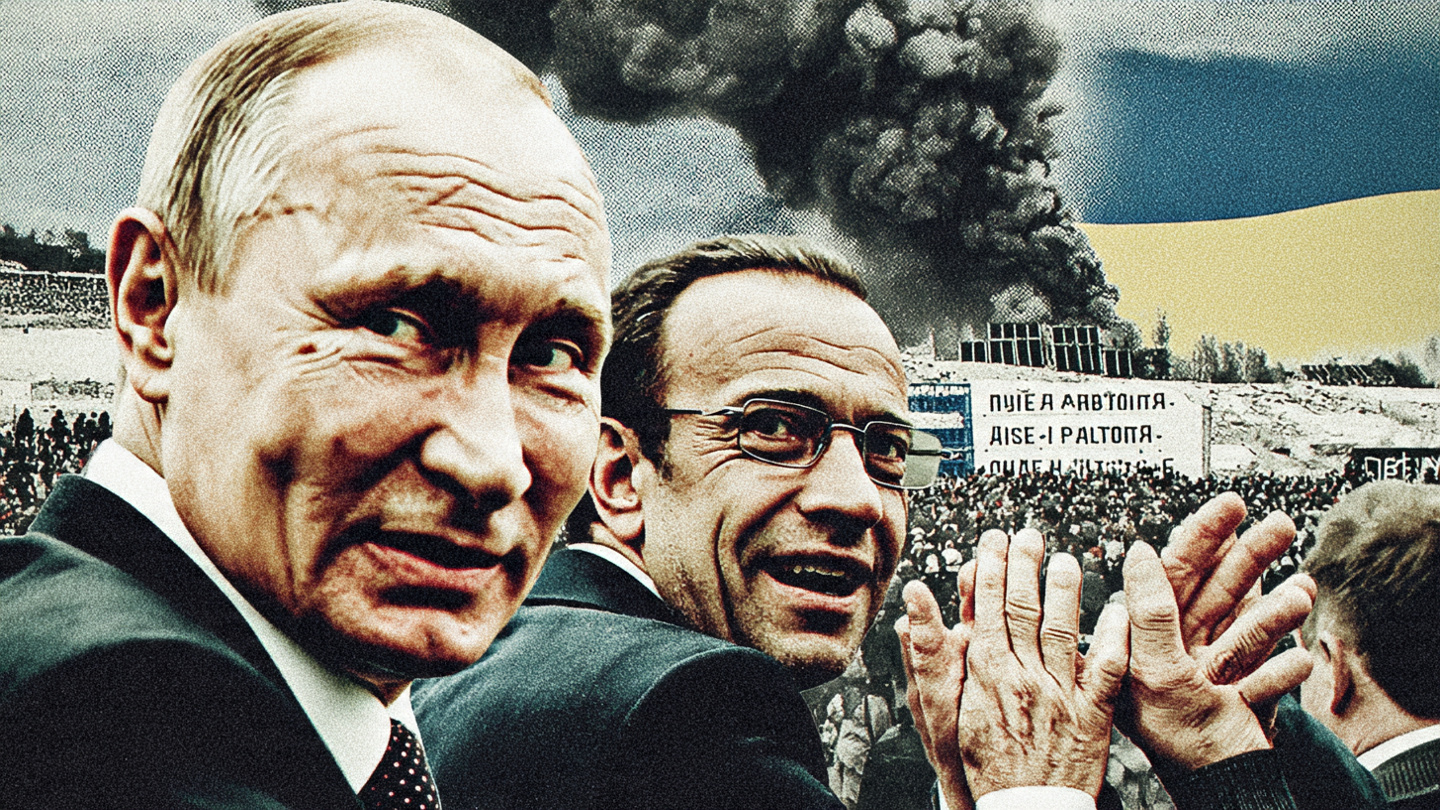
A significant shift has emerged in the Russia–Ukraine conflict, as international mediators have revived renewed efforts to push both nations toward a structured ceasefire discussion. This marks one of the most active diplomatic phases since the war began.
According to officials involved in the process, the latest round of negotiations involves multiple nations including Switzerland, Turkey, and key European partners, all working to create a framework acceptable to both Moscow and Kyiv.
Why Diplomacy Is Accelerating Now
Several geopolitical and economic factors have converged to create momentum:
- Prolonged battlefield fatigue on both sides
- Changing global political dynamics
- Mounting economic pressure from sanctions and wartime expenditures
- Growing concern over humanitarian crises
These elements have encouraged global actors to push for a de-escalation pathway.
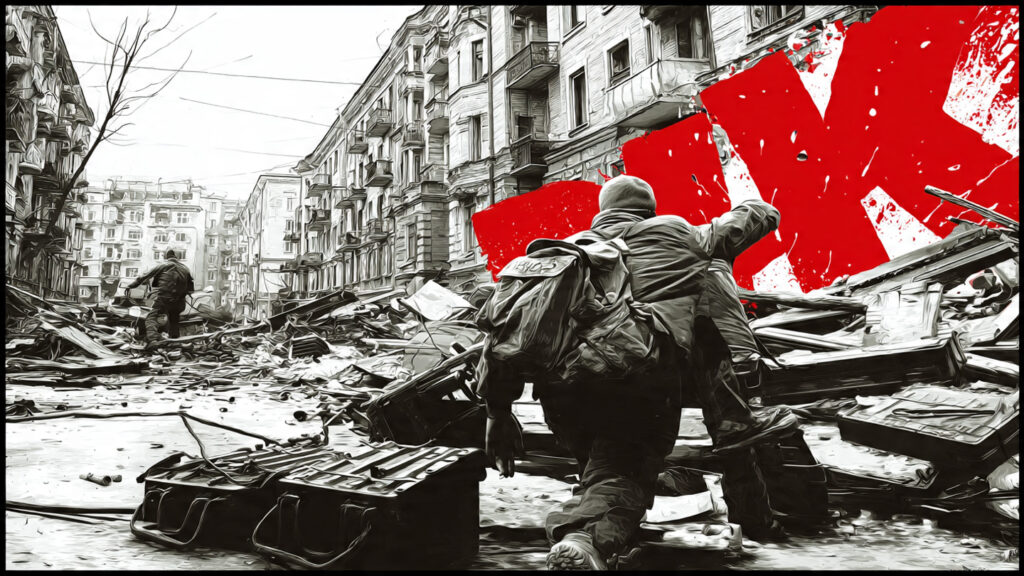
What the New Ceasefire Framework Includes
Sources familiar with the talks suggest the proposal includes:
- A condition-based ceasefire monitored by international observers
- Temporary freezing of territorial movement
- Humanitarian corridors to support civilians
- Gradual demilitarized buffer zones
While neither country has formally accepted the terms, both have shown cautious openness to continued dialogue.
Global Response
European governments have welcomed the development, calling it a “necessary diplomatic step.”
NATO leadership remains watchful of military repositioning, ensuring the ceasefire window is not exploited strategically.
Asian and Middle Eastern nations, whose supply chains rely on global stability, have also expressed optimism.